James Freeman
Inspired
MT-2 next?
Non-waza version for full quack attack nastiness.
Non-waza version for full quack attack nastiness.

MT-2 next?
Non-waza version for full quack attack nastiness.


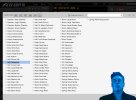
Could someone post a pic of the reverb grouping? I have a gig in a couple days and don't want to upgrade to a beta FW right before the show...


This is super helpful! Thanks for uploading! Can't wait for this in the stable release

How would you categorize them?The Amp list needs this treatment too. It's gotten pretty huge over the years.

It is the time for a Lab Series L5 !!!Oh wow! Does this mean there might be more solid-state amps coming into the FAS-verse in the future?

That's where it gets tricky. I'd say mostly by Maker and then style. Collect all the Fenders, Marshalls, and Mesas into groups and that would be a big chunk of them. Maybe "Class A" style amps like Vox, Matchless, Dr Z, etc together.

That's where it gets tricky. I'd say mostly by Maker and then style. Collect all the Fenders, Marshalls, and Mesas into groups and that would be a big chunk of them. Maybe "Class A" style amps like Vox, Matchless, Dr Z, etc together.
Good idea, because I bet the company names can not be used.Era / Design Philosophy: Helps
explains why amps feel and respond differently.
-Vintage American
Tweed, blackface, early clean platforms.
-Vintage British
Plexi, JTM, early Vox.
-Hot-Rodded Classics
Modded Marshalls, Soldano era designs.
-Modern High-Gain
Multi-channel, tight low end designs.
-Boutique / Experimental
Dumble, Trainwreck, rare or niche designs.


I would vote for either:
Gain Structure: It’s intuitive for players and matches how most people search for tones.
-Clean,
High headroom, minimal breakup. Fender, Roland JC style amps.
-Edge of Breakup / Low Gain
Touch sensitive, blues, roots rock, classic breakup.
-Mid Gain
Classic rock, hard rock, pushed British tones.
-High Gain
Modern rock and metal, saturated distortion.
-Extreme Gain
Death metal, djent, ultra tight or compressed amps.
Or
Era / Design Philosophy: Helps
explains why amps feel and respond differently.
-Vintage American
Tweed, blackface, early clean platforms.
-Vintage British
Plexi, JTM, early Vox.
-Hot-Rodded Classics
Modded Marshalls, Soldano era designs.
-Modern High-Gain
Multi-channel, tight low end designs.
-Boutique / Experimental
Dumble, Trainwreck, rare or niche designs.
Hello.
First of all, I would like to thank Fractal for the excellent improvements.
I noticed that the driver levels are quite different from each other when testing with the Jazz 120. I tested with a "Fas Boost" and due to the behavior, I decided to try the others.
The ones that have a very large difference compared to the others are: FET Preamp, Colortone Booster, FAS Boost, Heartoedal 11, SDD Preamp, and Shred Distortion.
This behavior may be due to the fact that the Jazz 120 is a transistor driver. In the AC-30, this difference is smaller but still present.
If this is the intended behavior, no problem.